
Advantages of CCTV systems for commercial security in Ireland

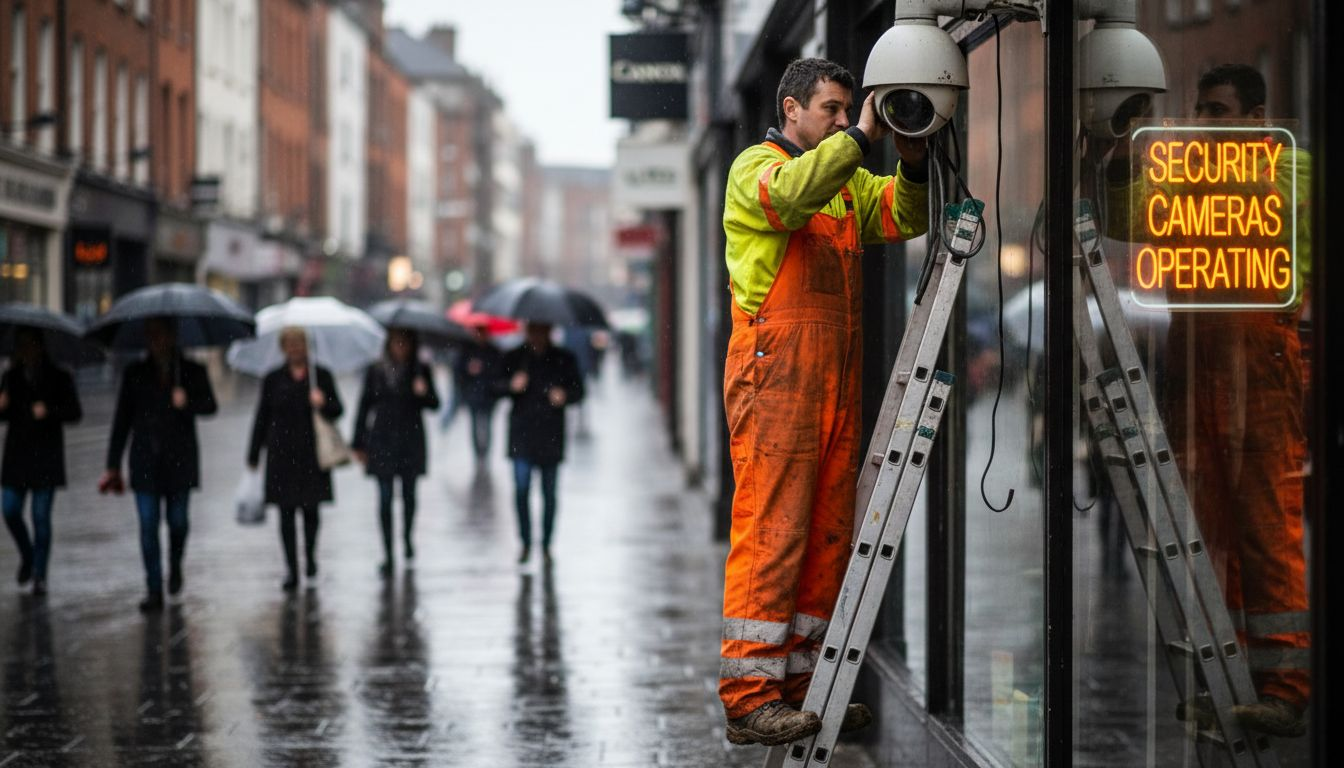
Selecting the right CCTV system for your commercial facility in Ireland can feel overwhelming. With rising security threats, stringent compliance requirements, and rapid technological advances, facility managers must navigate complex choices. Understanding the core advantages of modern CCTV systems empowers you to make informed decisions that protect your assets, satisfy regulatory obligations, and deliver measurable returns on investment.
Table of Contents
Key takeaways
Point | Details |
Crime reduction | Modern CCTV systems reduce crime incidents by up to 50% through visible deterrence and strategic placement. |
AI efficiency | AI-powered analytics reduce false alarms by 90% and improve resource allocation by over 25%. |
Compliance | GDPR and PSA compliance are essential for lawful CCTV operation in Ireland. |
Integration benefits | Combining CCTV with intrusion alarms improves breach response times by approximately 35%. |
Cost savings | Professional CCTV installation can reduce insurance premiums by up to 20% and boost productivity by 10-15%. |
How to choose the right CCTV system for your commercial facility
Choosing the right CCTV system starts with understanding your facility’s unique security profile. Every commercial property faces different threats, from opportunistic theft to sophisticated breaches. Conducting a thorough security risk assessment identifies vulnerable entry points, high-value asset locations, and areas requiring constant monitoring.
Assessing business-specific security risks helps select suitable CCTV features and coverage, ensuring you invest in cameras with appropriate resolution, night vision capabilities, and coverage angles. Consider your facility’s layout, operating hours, and existing security measures. A warehouse storing high-value inventory demands different specifications than an office building with controlled access.
Scalability matters significantly for growing businesses. Your CCTV system should accommodate future expansion without requiring complete replacement. Wireless systems offer particular advantages here, allowing you to add cameras across new locations with minimal disruption. Verify that your chosen solution integrates seamlessly with existing security infrastructure, including access control systems, intrusion alarms, and monitoring platforms.
Compliance cannot be an afterthought. Ireland’s GDPR regulations impose strict requirements on video surveillance, including clear signage, data retention limits, and privacy protections. The Private Security Authority (PSA) mandates that installers hold appropriate licences. Working with certified professionals ensures your system meets legal standards from day one.
Evaluate technological features carefully. High-definition cameras deliver clearer images for incident investigation. AI-powered analytics detect unusual activity patterns and reduce false alarms dramatically. Remote monitoring capabilities let you check live feeds from any location, improving response times during security events. Cloud storage provides secure, accessible footage archives without on-site hardware vulnerabilities.
Pro Tip: Prioritise systems offering both local and cloud storage options. This redundancy protects footage if network connectivity fails or physical equipment is damaged during a security breach.
Key selection criteria include:
Camera resolution and low-light performance for clear identification
Storage capacity and retention periods meeting compliance requirements
Integration capabilities with existing security systems
Remote access features for mobile monitoring
Warranty coverage and ongoing technical support availability
For comprehensive guidance on CCTV systems Ireland crime reduction, explore proven strategies that deliver measurable security improvements. Understanding the benefits of business CCTV systems helps you prioritise features matching your operational needs.
Crime deterrence and prevention with CCTV
Visible CCTV cameras create powerful psychological deterrents against criminal activity. Research consistently demonstrates that CCTV reduces crime incidents by up to 50%, with visible cameras deterring theft and vandalism effectively. Potential offenders often abandon plans when they notice surveillance equipment, particularly in car parks, loading bays, and perimeter areas.
“The mere presence of CCTV cameras significantly alters criminal behaviour. Offenders actively avoid properties with visible surveillance, seeking easier targets elsewhere.”
Strategic camera placement maximises coverage whilst minimising blind spots. Entry and exit points require priority coverage, along with high-value storage areas and cash handling locations. Exterior cameras should monitor building perimeters, particularly secluded areas where intruders might attempt forced entry. Interior cameras cover customer-facing areas, stock rooms, and corridors connecting different zones.
Effective crime reduction with CCTV depends on proper installation and maintenance. Professional installers assess lighting conditions, camera angles, and potential obstructions that could compromise video quality. Regular maintenance ensures cameras remain functional, with clean lenses and proper focus.
CCTV works best as part of layered security strategies. Combining surveillance with access control, intrusion detection, and physical barriers creates multiple obstacles for would-be criminals. When one system detects unusual activity, others can verify and respond appropriately. This integrated approach significantly improves overall security effectiveness.
Key crime prevention benefits include:
Deterring opportunistic theft and vandalism through visible surveillance
Providing evidence for prosecutions and insurance claims
Enabling rapid response to security breaches in progress
Monitoring employee compliance with security protocols
Identifying security vulnerabilities requiring additional protection
Evidence from professional CCTV benefits evidence confirms that properly installed systems deliver consistent crime reduction across diverse commercial environments. The combination of deterrence and detection capabilities makes CCTV an essential component of comprehensive security programmes.
Advanced features and technological advantages
Modern CCTV technology has evolved far beyond simple video recording. Today’s systems incorporate artificial intelligence, cloud connectivity, and sophisticated analytics that transform passive surveillance into proactive security management. These advances deliver measurable operational benefits whilst reducing false alarms and improving incident response.
AI-powered analytics represent the most significant technological leap in commercial CCTV. AI analytics reduce false alarms by 90% and improve resource allocation by over 25%, allowing security teams to focus on genuine threats. Machine learning algorithms distinguish between routine activities and suspicious behaviour, triggering alerts only when necessary. This dramatically reduces alert fatigue amongst monitoring staff.
AI capabilities include:
Facial recognition for access control and person-of-interest tracking
Object detection identifying abandoned items or missing equipment
Behaviour analysis spotting loitering, running, or aggressive movements
Crowd density monitoring preventing dangerous overcrowding
Vehicle number plate recognition for car park management
Cloud-based CCTV systems eliminate many limitations of traditional local storage. Footage uploads automatically to secure off-site servers, protecting evidence even if on-site equipment is damaged or stolen. Remote access lets authorised personnel view live feeds and archived footage from smartphones, tablets, or computers anywhere with internet connectivity. This flexibility proves invaluable for multi-site operations and after-hours monitoring.
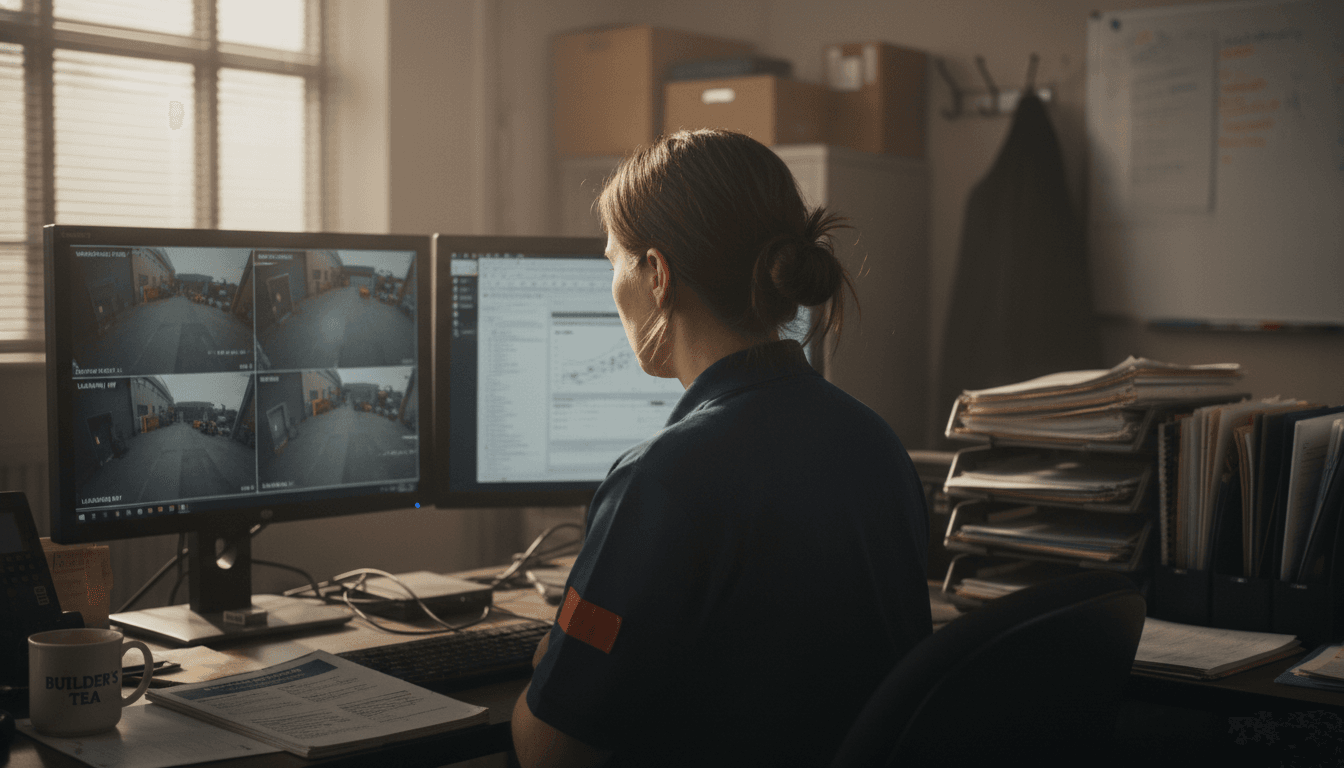
Wireless CCTV installation offers significant advantages over traditional wired systems. Installation time drops by approximately 30%, reducing disruption to daily operations. Wireless cameras can be repositioned easily as facility layouts change, providing adaptability that wired systems cannot match. Modern wireless protocols deliver reliable, encrypted video transmission without quality degradation.
Integration with intrusion alarm systems creates synergistic security benefits. When an alarm triggers, CCTV automatically focuses on the affected zone, providing visual verification of the threat. This improves breach response times by around 35%, allowing security personnel or emergency services to assess situations before arriving on-site. False alarm rates plummet when video verification confirms genuine threats.
📊 Security Impact: Businesses implementing AI-powered CCTV with alarm integration report 90% fewer false alarms and 35% faster incident response, translating to substantial operational savings and improved security outcomes.
High-definition cameras deliver crystal-clear images essential for identifying individuals, reading vehicle plates, and documenting incidents accurately. Modern sensors perform exceptionally in low-light conditions, maintaining image quality during night-time hours without requiring bright security lighting that could disturb neighbours or reveal security blind spots.
Explore comprehensive CCTV and security services that leverage these advanced technologies. Understanding the importance of modern CCTV features helps you specify systems delivering maximum value for your security investment.
Installation, scalability and cost considerations for Irish businesses
Selecting between wired and wireless CCTV systems significantly impacts installation complexity, ongoing costs, and future scalability. Wired systems typically deliver rock-solid reliability with continuous power supplies and dedicated data connections. However, installation requires extensive cabling through walls, ceilings, and conduits, increasing labour costs and disruption.
Wireless systems offer compelling alternatives, particularly for historic buildings where invasive cabling proves impractical. Wireless CCTV reduces installation time by 30% and scalable systems provide cost-effective expansion options. Battery-powered wireless cameras install almost anywhere, though they require regular battery replacements or solar charging solutions.
Feature | Wired CCTV | Wireless CCTV |
Installation complexity | High (extensive cabling) | Low (minimal infrastructure) |
Reliability | Excellent (dedicated connections) | Very good (dependent on network) |
Scalability | Moderate (requires additional cabling) | Excellent (add cameras easily) |
Power requirements | Mains power with backup | Battery or mains with PoE |
Best for | Permanent installations, high-security zones | Temporary sites, flexible layouts, multi-site operations |
Professional installation delivers benefits that justify the investment. Certified installers ensure cameras achieve optimal angles, lighting compensation, and weather protection. They configure recording schedules, retention policies, and user access controls complying with GDPR requirements. Professional installation also validates warranties and ensures PSA compliance, protecting you from regulatory penalties.
Pro Tip: Request detailed documentation of camera locations, IP addresses, and system configurations during installation. This information proves invaluable when troubleshooting issues, planning expansions, or changing service providers.
CCTV systems can significantly reduce insurance premiums, with many insurers offering discounts up to 20% for properties with professionally installed, monitored surveillance. This immediate cost saving improves return on investment calculations, often recovering installation costs within three to four years. Document your CCTV specifications when renewing insurance policies to ensure you receive appropriate premium reductions.
Budgeting should account for both initial and ongoing costs. Initial expenses include cameras, recording equipment, storage devices, installation labour, and configuration. Ongoing costs encompass maintenance contracts, cloud storage subscriptions, electricity consumption, and periodic equipment upgrades. Factor in approximately 10-15% of initial costs annually for maintenance and operational expenses.
Scalability planning prevents costly system replacements as your business grows. Choose platforms supporting additional cameras without requiring complete infrastructure overhauls. Cloud-based systems scale particularly well, accommodating new locations through simple network connections. For businesses planning expansion, CCTV installation scalability Ireland considerations should drive initial system selection.
Expert professional CCTV installation services ensure your system delivers maximum value from day one. Understanding professional CCTV installation advantages helps justify investment in quality installation over cheaper alternatives that compromise long-term performance.
Situational recommendations: best CCTV choices by use case
Different commercial environments demand tailored CCTV solutions matching specific security challenges and operational requirements. High-crime areas benefit most from AI-enabled systems with intrusion alarm integration. These locations require robust deterrence and rapid threat detection. Visible cameras with active deterrent features like flashing lights or audible warnings provide additional protection. Integration ensures security teams receive immediate alerts with visual verification when breaches occur.
Multi-site companies should prioritise wireless, cloud-based CCTV systems enabling centralised monitoring from a single control room or management platform. This approach dramatically reduces staffing costs whilst improving oversight consistency across locations. Cloud platforms provide unified dashboards showing real-time feeds from all sites, with instant alerts for unusual activity anywhere in your property portfolio. Centralised recording and retention policies simplify compliance management.
High-risk facilities handling valuable inventory, sensitive data, or hazardous materials require integrated security combining CCTV, access control, and intrusion detection. Layered security creates multiple verification points, preventing unauthorised access whilst documenting all movements. Biometric access control paired with facial recognition CCTV ensures only authorised personnel enter restricted zones. Intrusion sensors trigger CCTV recording in protected areas after hours.
Small businesses operating with limited security budgets can still implement effective CCTV through careful prioritisation. Start with high-definition systems covering critical areas like entrances, cash registers, and stock rooms. Choose scalable platforms allowing camera additions as budgets permit. Remote monitoring capabilities let owners check premises during off-hours without employing dedicated security staff. Cloud storage eliminates expensive on-site recording equipment.
Retail environments benefit from CCTV covering customer areas, reducing shoplifting whilst monitoring employee interactions with customers. Point-of-sale cameras deter till fraud and provide evidence for transaction disputes. Warehouse and logistics operations need cameras monitoring loading bays, inventory storage, and vehicle movements. Manufacturing facilities require CCTV covering production areas for both security and health and safety compliance.
Recommended solutions by sector:
Retail: HD cameras with wide-angle coverage, point-of-sale integration, and facial recognition for known offenders.
Warehousing: Long-range cameras with excellent low-light performance, vehicle tracking, and perimeter monitoring.
Offices: Discreet cameras focusing on entry points and server rooms, with access control integration.
Healthcare: CCTV balancing security needs with patient privacy, covering public areas whilst avoiding treatment rooms.
Hospitality: Systems monitoring public spaces, car parks, and back-of-house areas without intruding on guest privacy.
For guidance on selecting best CCTV for Irish businesses, consider both current security needs and anticipated growth over the system’s operational lifespan.
Summary comparison: choosing the best CCTV option for your business
Comparing major CCTV system types helps crystallise which solution best matches your facility’s security requirements, budget constraints, and operational priorities. This comparison summarises the critical factors discussed throughout this guide.
System Type | Crime Reduction | Key Features | Installation Complexity | Compliance | Best For |
AI-Powered CCTV | Up to 50% reduction; 90% fewer false alarms | Facial recognition, behaviour analysis, real-time alerts, cloud storage | Moderate (requires network infrastructure) | Excellent (automated retention, audit trails) | High-risk facilities, multi-site operations, businesses requiring proactive monitoring |
Traditional Wired HD | Up to 50% reduction; reliable deterrence | High-definition recording, night vision, local storage | High (extensive cabling required) | Good (manual configuration needed) | Permanent installations, high-security zones, properties with existing infrastructure |
Wireless Cloud CCTV | Up to 50% reduction; flexible deployment | Remote access, easy scalability, minimal installation disruption | Low (quick setup, minimal cabling) | Excellent (cloud-based retention controls) | Small businesses, temporary sites, historic buildings, growing companies |
Integrated Security Systems | 50%+ reduction; 35% faster response | CCTV plus alarms, access control, unified monitoring | Moderate to high (multiple systems) | Excellent (comprehensive audit capabilities) | High-value assets, regulated industries, facilities requiring layered security |
Your choice ultimately depends on balancing immediate security needs against long-term operational requirements. Businesses expecting rapid growth should prioritise scalability. High-risk environments justify premium AI-powered systems despite higher initial costs. Budget-conscious operations can start with essential coverage, expanding as resources permit.
Consider total cost of ownership, including installation, maintenance, monitoring, and potential insurance savings. Factor in compliance requirements, particularly GDPR data protection obligations and PSA installer certification. Evaluate how each system type integrates with existing security measures and future technology investments.
Explore Signal Fire & Security’s advanced CCTV solutions
Signal Fire & Security specialises in designing and installing tailored CCTV systems for commercial properties throughout Ireland. Our certified engineers assess your facility’s unique security challenges, recommending solutions that balance protection effectiveness with operational practicality and regulatory compliance.

We install everything from compact wireless systems for small businesses to enterprise-grade integrated platforms protecting multi-site operations. Our professional CCTV installation services include comprehensive site surveys, custom system design, professional installation, and ongoing maintenance support. Every installation complies fully with GDPR and PSA requirements, protecting you from regulatory penalties whilst ensuring optimal system performance.
Integration capabilities set our solutions apart. We seamlessly connect CCTV with intrusion alarms, access control, and fire detection systems, creating unified security platforms manageable from single interfaces. This integration improves threat response whilst simplifying daily security management.
Explore our full range of comprehensive security services or contact our team for a personalised security assessment. We’ll help you select CCTV solutions delivering measurable protection improvements and solid returns on your security investment.
Frequently asked questions
What are the key regulatory requirements for CCTV in Ireland?
GDPR compliance forms the foundation of lawful CCTV operation in Ireland. You must display clear signage informing people they’re entering a monitored area, implement appropriate data retention periods (typically 30 days unless specific incidents require longer storage), and maintain detailed records of system purposes and data processing activities. Privacy impact assessments are mandatory when surveillance might significantly affect individuals’ privacy rights.
The Private Security Authority requires CCTV installers to hold PSA licences, ensuring they possess appropriate technical competence and professional standards. Verify your installer’s credentials before engaging their services. Unlicensed installations may void insurance coverage and expose you to regulatory penalties. Regular audits of your CCTV data handling procedures demonstrate ongoing compliance commitment and identify potential vulnerabilities before they become problems.
How does AI technology improve CCTV security performance?
AI reduces false alarms by up to 90% through intelligent analysis distinguishing genuine threats from routine activities. Machine learning algorithms recognise patterns indicating suspicious behaviour, triggering alerts only when necessary. This dramatically improves security team efficiency, allowing staff to focus on real incidents rather than investigating dozens of false alarms daily. AI also facilitates proactive monitoring by identifying potential security breaches before they escalate, improving response times and preventing losses.
Can wireless CCTV systems be relied on for multi-site commercial use?
Wireless CCTV reduces installation time by approximately 30% and proves highly reliable for multi-site operations when properly configured. Modern wireless protocols incorporate encryption and redundancy features ensuring secure, consistent video transmission. Centralised cloud platforms enable monitoring of all locations from a single dashboard, dramatically improving operational efficiency. Thousands of commercial properties across Ireland successfully operate wireless CCTV networks, benefiting from easy scalability and reduced infrastructure costs compared to traditional wired alternatives.
What cost savings can businesses expect from installing CCTV?
CCTV can reduce insurance premiums by up to 20%, providing immediate financial benefits that improve return on investment calculations. Many insurers offer substantial discounts for professionally installed, monitored surveillance systems. Improved employee accountability boosts productivity by 10-15% as staff awareness of monitoring encourages compliance with operational procedures and reduces time theft. Faster incident resolution enabled by video evidence reduces operational disruptions and associated costs, whilst crime deterrence prevents losses from theft and vandalism entirely.
Recommended


Comments